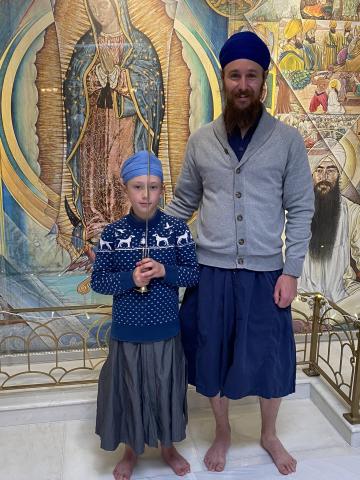
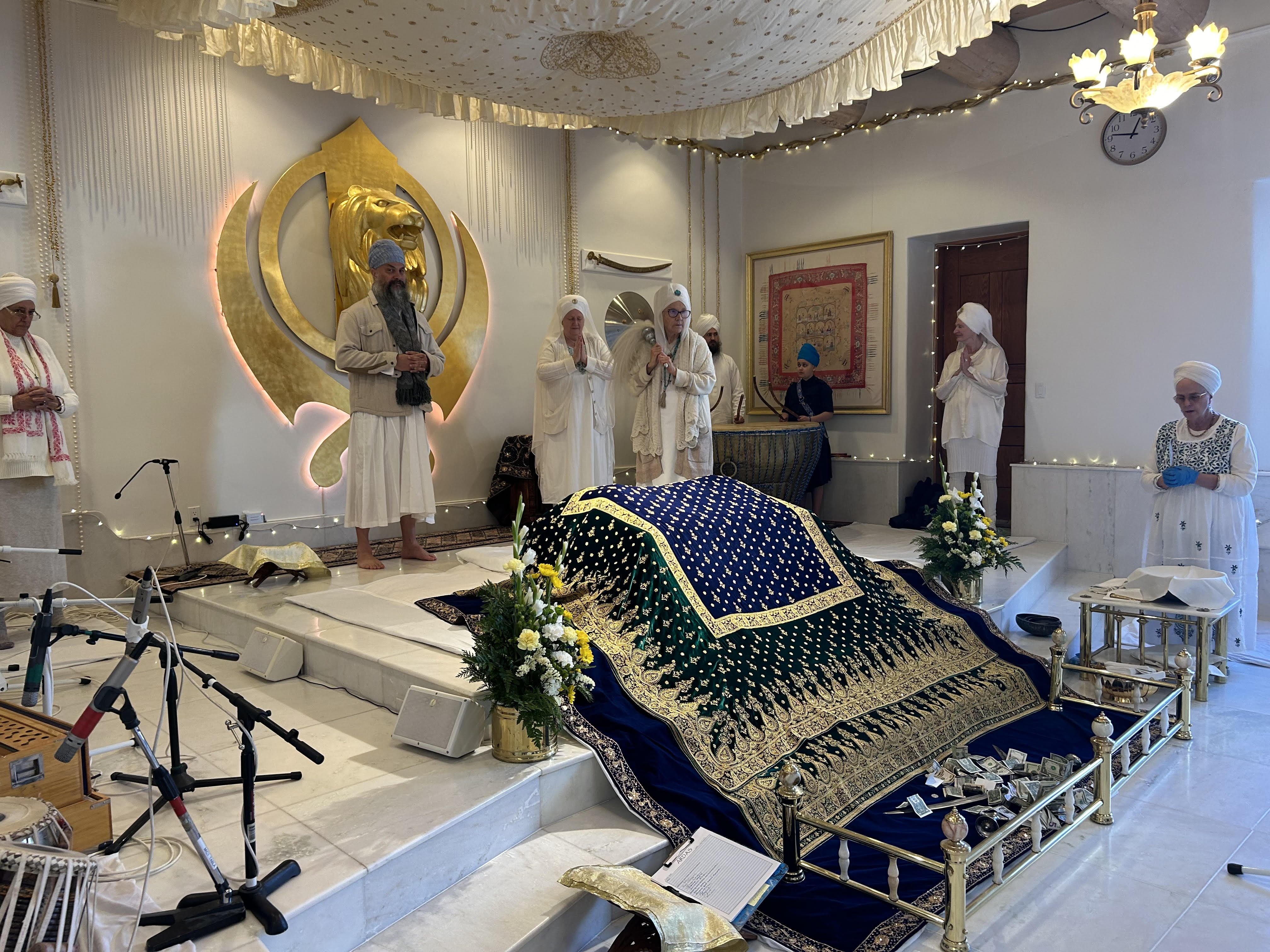
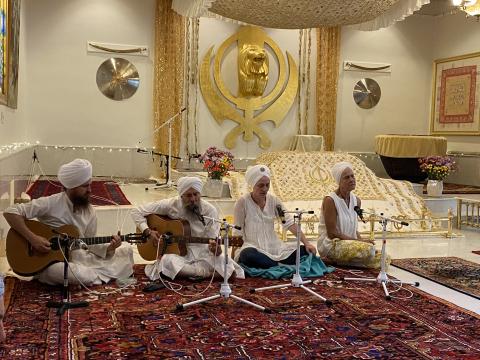
View more at the Khalsa Family Farms website >
Khalsa Farms 2025
CERTIFIED NATURALLY GROWN - Khalsa Farms is very proud to be recognized a s a CERTIFIED NATURALLY GROWN farm. This certification process by CNG , a national farm-certification organization, indicates that our farm abides by ecological farming and production practices of never using harmful chemically or GMOs. All of our practices from soil care, seed purchasing, seedling care, fertilizers, plant care, pest & disease management, and harvesting are in alignment with CNG criteria.
Khalsa Farms was featured in the magazine, Edible New Mexico: “Climate change, for many parts of the West, means a future that’s hotter and drier, marked by weather both more extreme and more unpredictable than in the past … CLICK TO READ ARTICLE
Spring-Summer-2020
 |
 |
 |
We've changed our name to Khalsa Family Farms!
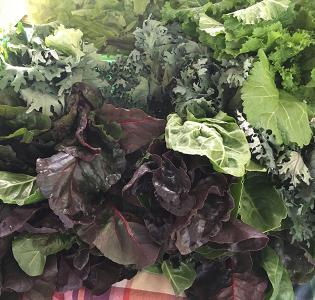
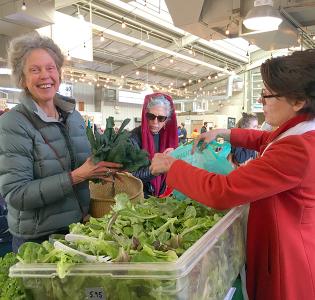
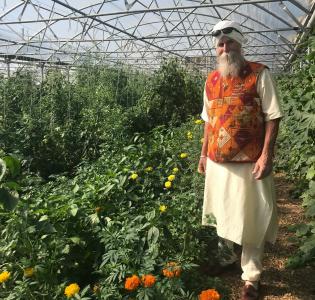
This winter we've changed our name to Khalsa Family Farms and have a new head gardener, Zak Young. CSA is back up and running at the ashram and Saturday sales at Santa Fe Farmer's Market are booming.
Summer 2019
 |
 |
 |
Winter 2018-Spring 2019
|
|
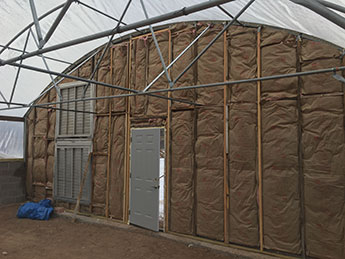 |
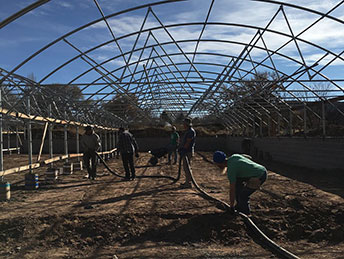
Three commercial greenhouses are being built adjacent to the existing farmland, and submerging them 4' for geothermal insulation. We will then outfit the center greenhouse with an aquaponics system. Grand opening is planned for March 10, 2019!
Summer 2018
 |
 |
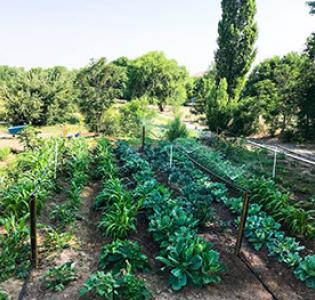 |
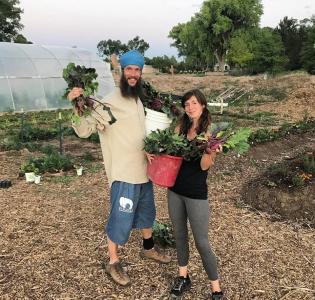 |
Seed Exchange in Santa Fe - March 15, 2018
Seva Sadhana program collected seeds for the Guru Amar Das Langar Garden at yesterday's Seed Exchange in Santa Fe!
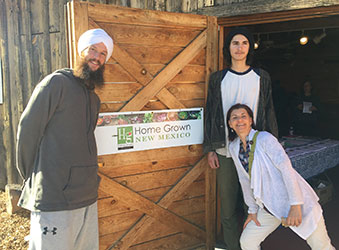 |
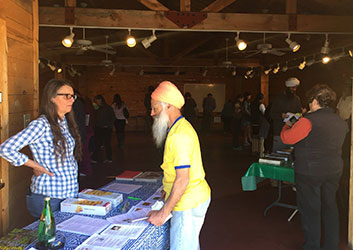 |
New Lead Gardeners - March, 2018
Leah and John York are looking to support the community by production of local, healthy foods and teaching participants in the Seva Sadhana program and community about their connection to health and nutrition through conscious connection to the land and growing their own food. Leah has planned a rotating organic crop cycle that should provide fresh fruit and vegetables throughout all seasons, utilizing vegetarian based composting methods to create vital healthy living soil and plants. The goal is to eventually provide all of the fruits and vegetables for Langar and extra food for the whole community - as well as a diverse flower assortment which can be used for Gurdwara.
Seva Sadhana Participation
We have new members helping us with every aspect of the garden.
 |
 |
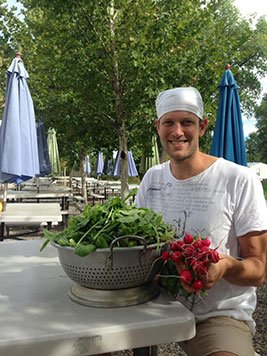 |
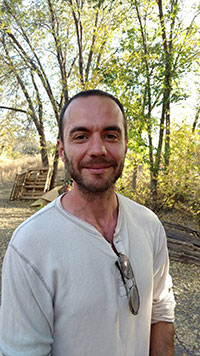
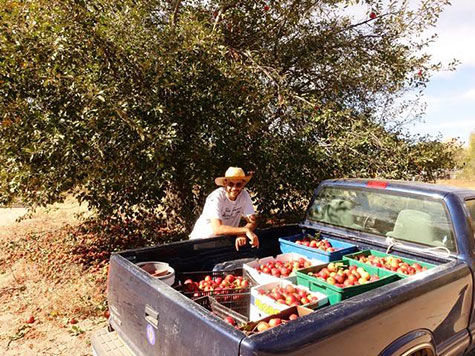
| New member, Ramilis, just arrived from Half Moon Bay, CA. | The Seva Sadhana group harvested over 6 boxes of apples from just one tree in the garden. | Dharam Inder smiling with his harvest of radishes & greens. |
Garlic & Onion Planting - October 22, 2016
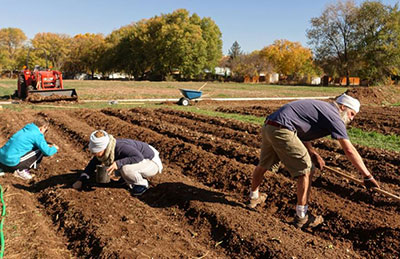
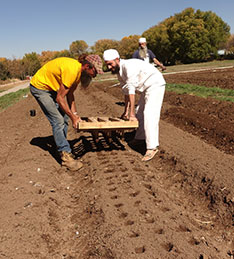
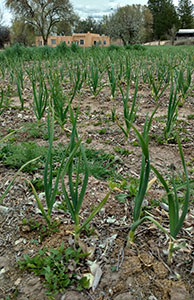
Approximately 3600 garlic and onion bulbs were planted thanks to the hard work of volunteers from the ashram and the Seva Sadhana participants.
 |
 |
 |
Interfaith Tree Planting Ceremony - Sunday, June 5, 2016
Come join us for an Interfaith Tree Planting Ceremony on Sunday, June 5, 2:00pm
The Hacienda de Guru Ram Das is honored to host a tree planting ceremony as part of the interfaith "Peace Tree Movement." This movement was initiated to bring people of all backgrounds to join together in the effort to plant more trees and raise awareness about their vital importance to life on earth now and for future generations.
"Trees and plants are absolutely necessary for the purification of vital energy, the life force. If everyone participates in tree planting, in just a short period we can restore nature's beauty to the face of the world.” - Amma
"If you really want to honor Guru Ram Das, plant a tree." - Yogi Bhajan
The tree planting will be following langar, around 2:00 pm in our Guru Amar Das Community Garden. We welcome you and your prayers for our earth.
Spring 2016 - Garden & Greenhouse
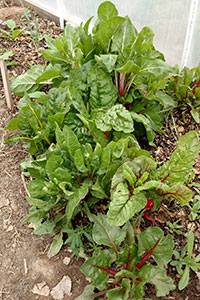
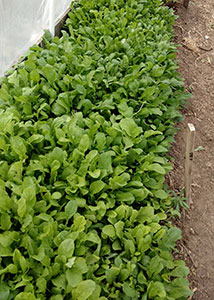
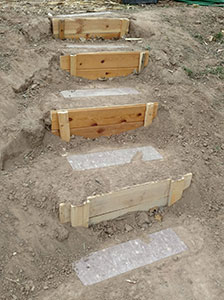
We had a new greenhouse raising on Saturday, March 19th so now we have two lovely greenhouses with some steps built up to the upper level.
 |
 |
 |
 |
 |
Greenhouses Available - January 2016
Sat Nam, I am sad to announce that Khalsa Greenhouses will be moving out of our greenhouses on Prosperity Path on April 30th this year. We are looking for renters for the greenhouses beginning May 1, or perhaps growing ourselves and paying an employee. I am open to any ideas any one has about how to best use the greenhouses to prosper, eat healthy, and keep positive energy in them. Blessings for a healthy, happy and prosperous New Year.
~ Gurubani Kaur - [email protected]
Garden Update - October 2015
 |
 |
 |
 |
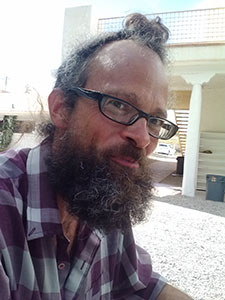
Jai Mohan Singh - is from Australia (Sydney) and came to us through the KRI Immersion course - he saw what we're doing and wanted to stay on and help out. He also a very committed yogi (sadhana every day) and a tireless worker. When there's a tough problem to be solved, we all look to Jai Mohan because we know he will "get the job done!".
 NEW LEAD GARDENER!
March 2, 2015
Sat Nam Everyone,
I'm extremely pleased to announce that Rosie Said has agreed to be our first lead gardener for the ashram community garden for at least the next year (and hopefully more). This is a big step forward for us - it is the first time we will have a dedicated, full-time person focused on getting our community garden up and running. Of course, Rosie will need lots of help from our community.
Rosie has a BA in Environmental Science, has been working as a farm intern for Gurujiwan (and before that, Freedom Food Farms near Boston), and has a big interest in sustainable farming practices and community oriented agriculture. Rosie is very devoted to serving the Gurus, practices yoga, and is very capable. In my mind we could not ask for a better person to help establish the community garden and begin to fulfill its mission to provide healthy, organic veggies for langar and the larger community.
Rosie will begin full time April 1st and be doing some preliminary work (getting a cover crop of peas, getting some starts going) before that. Sat Purkh and I will be hosting a welcoming event for the entire sangat the second week in April. We'll keep you posted.
If you see Rosie, please welcome her,
Abhai Raj
We are working in the Guru's Langar Garden from 8:00 am-noon the second and fourth Saturdays each month for the next few months. Come join us in the Community Garden for some weeding, harvesting and mulching of the onions, plus mulching peppers, thinning radishes, and planting beans and peas. A splendid time is guaranteed for all. Maybe Jagat Singh will make us some cold yogi tea, too. NOTE: We've switched the regular weekday evening gardening to Wednesdays so as to not conflict with yoga class. Come join us if you have time and want to get some fresh air and good seva in.
If you do not have time to actually do seva in the garden yourself, please consider making a donation that can be used to hire someone to do work for you, for $12/hr!
Remember those onions we planted a couple of months ago? They're coming full force now! Also, we have over 1500 pepper plants in the ground and situated nicely for irrigation. They could use some mulch - if you're interested in rectifying that, let me know.
I believe our garden has a bit of a PR/image issue (and rightly so): People think it's mostly weeds. While there are lots of weeds, there are also lots of veggies planted!
Fortunately, we are going to get some help with weeding and other garden tasks, in the form of seva from the KRI Immersion students. I’ll be orienting them, and Langar garden work will be one of their seva options, as they go through the course. I’ll let ashram sangat members know their seva schedule, in case you want to join in. I think contact between ashram community members and the Immersion students has the potential for a really nice synergy.
Abhai Raj Singh also explained recently, that the piles of chips you see in the ashram gardens are currently serving a purpose! They are there to enrich and moisturize the soil, and when that is accomplished, they will be scraped off to the area down by the volleyball net, and the enriched area of soil can then be planted.
The Langar Garden Project - Peace and prosperity through abundance
It has been an inspiration to me to be involved with the many people that have given time, knowledge and money to manifest the Langar Garden through the past 5 years. When I first arrived there was a sustainability group that was heading this up which has somewhat dissipated However the efforts by those folks planted the seeds which are now flourishing. Through generous donations by Ahai Raj, Hari 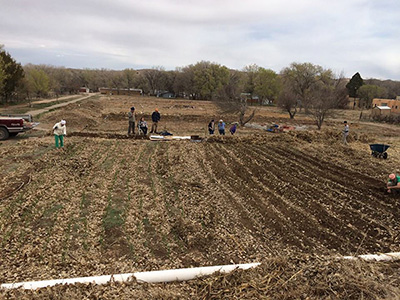 Hari Kaur and some other sangat members we have been able to plant several fruit trees, install irrigation pipe, buy needed tools and seed as well as create a patio where people will be able to congregate, meditate, do yoga , picnic or socialize around the garden. Our goal this year is to plant half of the available lower field this year with more orchard trees and vegetables and complete planting the entire field by the following year. We already have multiple rows of garlic and onions planted as well as fava beans, carrots, chard, kale and potatoes in the ground. This weekend we need a large crew to finish preparing the land to plant corn, string beans, squash, and many other crops. All are invited and welcome from 8:00 am Saturday to 12:00 noon.
Needed long-term are the following:
People that would like to do some seva by taking on a small responsibility for an area of the garden.
- Watering –Seeded beds need some surface watering by sprinkler. This person should live near the garden so they can water in early morning or early evening, about 3 hours per week.
- Someone to take responsibility for the herb and flower garden near the patio. We have already spearmint, tarragon, lambs ears, comfrey, oregano, irises and some other herbs and flowers in this area. They will need light weeding and watering to maintain this area, approximately 3 to 4 hours per week.
- Someone to help with the ditch watering of the total garden. We are installing gates and passages for the water to flow to the lower fields. We will be restricted toabout 3 hours of ditch water each week once the season begins so this requires an afternoon of opening and closing various gates to guide the water through the garden. This is possibly the most rewarding task as anyone played with water as a kid knows the fun of damming and guiding the stream of water. It is most relaxing to watch the cool, nourishing water winding its way through the rows of crops and to hear the gurgling sound as it floods the fields. This takes 3 hours per week in the afternoon on Thursdays or Fridays.
- Funds - We want to plant multiple fruit trees, add irrigation pipe in places, finish the patio and possibly hire someone for a few regular hours a week to stay ahead of bugs and weeds this summer. These things require funding. Small donations and very large ones are welcome to continue the work that so many people have started.
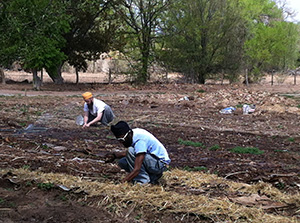 As my involvement in this project increases my inspiration increases as well. My projection is now that, not only we should be growing for use our community meals but we can also grow vegetables for the food banks of New Mexico. The fact is that many people are food insecure in New Mexico. This has many social economic ramifications. If you are interested check out this link: https://www.rrfb.org/hungry-people-in-nm/mapthegap/ We as a sangat could potentially have a great impact by growing healthy fresh vegetables for food banks in New Mexico. This would have the effect of inspiring other farmers to do the same and educate people about the benefits of abundance rather than scarcity in our wider community. There is a lot of fallow land around Espanola that could be put to good use. We are at a good starting point. Please give something to manifest a Langar Garden Project that could help eliminate the poverty consciousness that pervades our wider community. Donations to the langar Garden Project can be tax deductible through HGRD and are administered by Sadhu Kaur.
Sat Nam,
Mata Mandir Singh
P.S. Coming soon - News about a local project to grow old strains of heirloom wheat that do not contain the strains of gluten that are harmful to some people in their diets.
Langar Garden Seva Project - Vision and Concept
The langar garden is a project inspired by the teachings of Guru Nanak and Yogi Bhajan. Many people have come up to me and mentioned things Yogi Ji said about the fields and land around the ashram saying we would need to eat from these fields. Guru Nanak began the concept of langar and growing food for to supply later solidified by Guru Amar Das.
So the concept is to grow food for the community meals on Sunday and Thursday, and to have something extra to sell on Sundays and at the Espanola Community Market to make the garden financially self-sufficient. I also believe that we should be growing food for the local food banks. These agencies serve the 411,000 food insecure people in New Mexico including 30% of all children in this state. Guru Simran’s school food program makes a great impact but we can do more. I was particularly inspired by world renowned Vandana Shivas remarks at the dinner we hosted in her honor last year.
If you haven’t seen it, it is inspiring. If you have seen it, consider watching it again. For her, Sikh langar is the model for the world concerning food scarcity and prosperity.
That is the goal of the Langar Garden Seva Project. To create an abundance in the Rio Grande valley that will create a psychology of prosperity rather than the poverty consciousness and fear of scarcity that is being promoted in the valley and beyond..
The model is a perma-culture style garden, In part, and also a very old model of garden called a “Forest Garden.” Basically it is integrated, vegetable production, orchards, bushes, wild areas, walk ways, benches and patios for people. We are off to a good beginning, through many people’s participation and donations. We have planted around 1,100 garlic plants and 1,500 onions. Because many of the langars are prepared using Tamasic (low vibration, partially decayed) pre-cut onions and garlic, this is an important step in the right direction to offer langar as a Sattvic meal (pure, unprocessed digestible, healthy and sacred offering). Again, we have fallen into these habits with the idea that there is a scarcity of sevadars to make langar. Personally I have not found this to be true.
So, being that it is planting season, we need as many bodies as possible every Saturday this spring to get the crops in, pathways initiated, patio finished and the myriad number of things it takes to establish a garden. It is great exercise for young and old, and a great way to teach children the skill of growing and experiencing the creativity of nature. It is also a group consciousness building exercise on which Sikh Dharma is based.
Not only are sevadars needed every Saturday till June, but donations are very welcome. We need a new irrigation system for part of the lower garden as well as tools, seed, etc. Donations can be tax deductible through HGRD targeted to the Langar garden. This is being administered by Sadhu kaur.
Hope to see you Saturday. “Many hands make light work.”
Sat nam,
Mata Mandir Singh
Ashram Langar Garden - Summer 2013
Just yesterday I was giving a tour of the langar gardens to a person in our sangat that I admire very much. We were standing in front of a lush green explosion of corn and squash rooted in some very rich soil ,listening to the sound of the acequia water burbling through the rows .They pointed out to me the five elements; earth, air, water, fire, and ethers play in that explosion of life that is a garden. They mentioned something Yogi Ji had said about all the deities and, Gods and Goddesses being living entities that congregate when the elements are balanced and the spirit is there.
It made me contemplate what a farmer actually is doing. He or she does not actually grow a garden. Actually a farmer simply facilitates the meeting of available elements together that allow that riotous explosion of life to spring forth. Indra does the rest.
So what has Indra blessed us with this summer? Contrary to the comment I have heard countless times while working in the garden, ”Nice crop of weeds you got here!“ Implied is the label “sucker” at the end of that tired joke, although usually left unsaid. Actually the list of crops we are growing successfully is quite long.
- Corn - We've got lots of it! Non GMO, of course. The idea is to eat it fresh but also blanch and dry it to make “chicos” which are the local winter survival food that have been produced for centuries here in the Rio Grande Valley. Anyone who has processed “chicos” before please step forward and help guide that process.
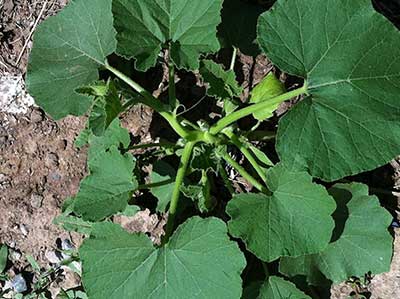
- Squash- Late planted to avoid the usual plague of squash bugs .that come out early in the season and the pursuantwar that develops. I have not seen a single one. At least 30 plants. You can see them grow daily.
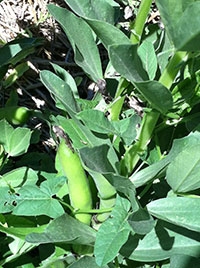
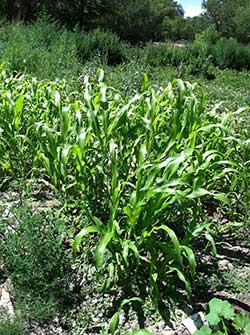 Fava beans–A favorite in Italy. Very good for renovating the soil and very tasty cooked or raw. You will be seeing these at langar soon. Please give them a try.
- Potatoes
- Tomatoes - Although I had no time or budget to do seedlings this year, Ravi Har Kaur donated a few peppers and tomato plants which are doing very well.
- String beans
- Beets
- Chard
- Sunflowers
- Arugula
- Spearmint, tarragon. strawberries, flowers and seven new apple and pear trees.
Last but not least is a 4 x 40 foot patch of sugar cane that Siri Deva Singh and I planted from seed around the first of June. The seed was purchased from the feed store from a local grower and I bought it as an experiment. The Mayor Domo of the acequia water was looking at the garden and was very skeptical. “Won’t grow taller than knee high” he said about a month ago. It is chest high now and showing no signs of stopping. We will see if we can produce that exquisite and healthy sugar cane juice from it.
Is it enough to feed the sangat this year.? No! It could have, but for me it was a grand experiment to see if the techniques I had success with in my small garden at home, would work on new ground. I was surprised by how things grew and did not plant exactly the right crops to service langar entirely. However in the years to follow the potential is there for tremendous productivity.
 What is more exciting for the future for me was the fact that due to the recent rains, I was able to divert a substantial amount of ditch water to the third and forth section of field . With the incredible blessing of the wood chips given by Dennis from Espanola Vigas next to Dream Catcher Theater, we were able to cover nearly all the fields north of the langar hall. (Yes, they will and are breaking down and no, they are not a fire hazard. By getting the soil covered with that mulch, and soaking it now we will see substantial growth in the health and nutrition of the soil in the two new sections. Almost anywhere the ditch water has soaked in and is mulched you can dig down and find mycelium and sometimes earthworms which are a sign of good fertility.
Sometimes when I cook a meal like eggplant parmesan, people have a tendency to compliment the cook. That’s just the way it is and I have to laugh. I was neither responsible for the texture and taste of the eggplant, I did not create the wonderful tree that produces olive oil with such a rich sustaining flavor. I did not create the subtle aromas of oregano, basil or garlic. I did not create the lycopene, vitamin, antioxidant rich fruit, the tomato. No, I simple know how to throw together the elements in a pleasing way. One cannot claim too much credit.
 The same is true of the Langar Garden. There is a vision of this land shared by many and I have had a lot of help on these gardens. Too many to list here. I will say that Guru Jiwan Singh, Livitar Kaur and the interns working with them have become fully supportive and a very real hands on way which has smoothed the way and the synergy of two farming minds is way better than one.
The final vision will include a pavillion for yoga and meditation, in the center surrounded by green orchards, nut trees, crops, flowers and herbs. I hope we will dedicate this pavillion to Guru Nanak as he was a dedicated and expert farmer in between teaching. There should be winding pathways and benches to sit on throughout as no garden is complete without space for the people. It is what could be called a permaculture forest garden. I have asked an artist to draw a representation of this garden so people can see what I’ve envisioned which will be coming this winter. In the meantime, there is a well-known Dutch phrase, “Veel handen maakt licht werk.” Many hands make light work!
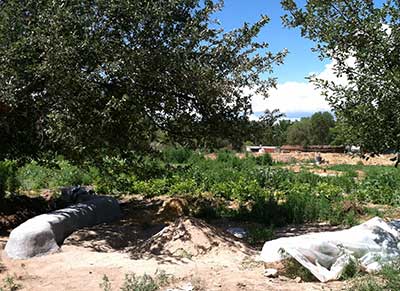 We could use some help weeding and harvesting in the coming weeks and months The next workday will be, Saturday, August 10th. We will endeavor to finish the second cob bench and make a terrace under the apple trees and probably harvest the first langar-size crop of fava beans.
In addition, we are open to donations of perennial herbs, flowers, bulbs, trees, etc. We want anything that will grow year after year without planting. In addition we will be extending the irrigation pipes and have other expenses such as tractor repair, tools, bulbs, and seeds for fall and spring planting. We also could look to building a greenhouse and hoop houses to extend the seasons. Donations can be routed through HGRD designated to the Langar Garden.
Next issue –Some of you donated to the concept of emergency food storage . There are reasons behind the delay. The first purchase is coming soon. In the next issue will be an update!
Sat nam,
Mata Mandir Singh
HGRD Ashram and the Albuquerque Unity Church Cooperative Project
On Saturday, March 16 from 10:00 a.m. to 2:00 p.m, our community will be hosting 50 people from the Albuquerque Unity Church who will be participating in a community building work day in our Langar Gardens. This is a youth group which will also include 10 adult guides. They will be working for three hours and then join us for a meal afterwards.
We would like to have at least 20 volunteers from the sangat so we can create a sense of unity with this wonderful group of volunteers and help get a huge amount of work done in the garden. Since we have such a large group of people coming we will need additional wheelbarrows, shovels, rakes and other gardening tools for this event. If you would please bring your gardening tools (labeled with our name) to the workday we would be most grateful so we can provide everyone with tools.
We hope to accomplish the following:
- Planting 5-7 new fruit trees in the upper area of the proposed forest garden/park near the existing apple trees at the upper end of the walking circuit. Also planting about10 new bushes.
- Constructing two long cob benches, a pathway, and a patio area.
- Composting and mulching approximately 200 square feet of garden area.
- We will need a small crew of people to prepare food for the group. The Unity people are contributing $3 per person for the food and we expect the same from our volunteers if they will be joining the group for the meal.
I am also projecting to have some musicians to play music while we are working.
This should be a fun event and could lead to more cooperative projects. Please send an email to [email protected] if you are coming so we can plan the meal and work crews. Members of the langar garden group and EMER COV will be guiding the work crews.
ASHRAM COMMUNITY GARDEN PROJECT
Spring 2012
The main focus of the Ashram Community Garden Group this year is to GROW THE SOIL, which means to improve its quality, and its ability to produce nutritious food, on an on-going basis. This is an urgent priority, because the ashram lands are currently depleted of any viable microbiology (bacteria and fungi). Looking ahead, the goal is to create a situation where, 5 years from now, the ashram will be in a position to sustain itself by growing enough food to feed not only our sangat, but also people in the surrounding area that may need our support. This is critically important to the ashram, for our future! (Video of Earth Day 2011 with members from the Community Garden Group. Filmed by 3HO Foundation.)
The steps being taken to improve the soil in the outside field plots, as well as within Guru Jiwan Singh’s greenhouses, include:
- Creating compost and ‘compost tea’. (Ask how you can contribute YOUR kitchen scraps to help build our compost!)
- Adding compost and ‘compost tea’ to the soil, and spraying compost tea on the surface.
- Growing “cover crops” whose unique qualities and purpose are not to be harvested, but to nourish the soil through their growing process and then be lightly tilled into the soil, at a certain stage of growth.
This is how YOU can be involved:
- Sponsor an Intern! - by providing them with housing. Guru Jiwan Singh has a man coming from Germany this summer, to work with him and learn about the amazing techniques he has developed, growing the lush and abundant organic greens he sells each week in the Santa Fe Farmers Market. This intern (and others like him) will be a strong support to the Community Garden Project, which benefits the ashram long term. In exchange for providing the intern with a room in your house for 6 weeks, Guru Jiwan Singh will assign him a small gardening project of your choice, at your home, which will also be part of his learning experience.
- Make a tax deductible donation! Contact Ravi Har Kaur at 753-4847, about how you want to do this. Fyi…the Community Garden Project has a wish list which includes: a tractor with a front loader and a dump truck.
- Volunteer! Work with plants, either in Guru Jiwan Singh’s greenhouses with him, or in the outside gardens. Help Guru Jiwan Singh for a couple of hours a week, learning his amazing techniques, and receive bundles of freshly harvested, organic: collard greens, chard, salad greens and spinach. He needs help with harvesting, watering, weeding, especially in the early mornings on Sunday, Thursdays and Fridays (7 am – 9 am). If you love to commune with garden devas, this is the place to be! The energy in the greenhouses is very elevating. I did this myself for several months, and found it a very enriching experience! To help in tending the outside gardens, contact Ravi Har Kaur, to plug in to the schedule.
- Support Guru Jiwan Singh and other local farmers by showing up at the Espanola and Santa Fe Farmers Markets! Live healthier by buying local!
- Invite members of the Ashram Community Garden Project to your home, to give you a consultation on how to grow and nourish your own soil, and to brainstorm with you a long term plan for developing your lands to supply you and your family with the food you need. There is no charge for this, but donations to the Gardening Project are very welcome. To set this up, contact Krishna Singh at 753-1609.
- Hire Gris to build you a 4’ x 8’ raised bed! He uses recycled wood, adds hoops, and includes ‘gopher guard’ mesh underneath, to protect your crops. He charges $100 and encourages you to make an additional donation to the Community Garden Project of $50 or more, for every raised bed he builds you. His number is: 685-4110.
This is our future we are building! The Community Garden Project encourages you to join in, and get involved!
For more information, contact:
Ravi Har Kaur or Ravi Har Singh, at 753-4847
Gurujiwan Singh, at 927-2023
Krishna Singh, at 753-1609
HGRD Ashram and the Albuquerque Unity Church Cooperative Project
On Saturday, March 16 from 10:00 a.m. to 2:00 p.m, our community will be hosting 50 people from the Albuquerque Unity Church who will be participating in a community building work day in our Langar Gardens. This is a youth group which will also include 10 adult guides. They will be working for three hours and then join us for a meal afterwards.
We would like to have at least 20 volunteers from the sangat so we can create a sense of unity with this wonderful group of volunteers and help get a huge amount of work done in the garden. Since we have such a large group of people coming we will need additional wheelbarrows, shovels, rakes and other gardening tools for this event. If you would please bring your gardening tools (labeled with our name) to the workday we would be most grateful so we can provide everyone with tools.
We hope to accomplish the following:
- Planting 5-7 new fruit trees in the upper area of the proposed forest garden/park near the existing apple trees at the upper end of the walking circuit. Also planting about10 new bushes.
- Constructing two long cob benches, a pathway, and a patio area.
- Composting and mulching approximately 200 square feet of garden area.
- We will need a small crew of people to prepare food for the group. The Unity people are contributing $3 per person for the food and we expect the same from our volunteers if they will be joining the group for the meal.
I am also projecting to have some musicians to play music while we are working.
This should be a fun event and could lead to more cooperative projects. Please send an email to [email protected] if you are coming so we can plan the meal and work crews. Members of the langar garden group and EMER COV will be guiding the work crews.
Sustainable Agriculture at the Mother Ashram

OUR FIELD OF DREAMS
June 2011
Greetings Everyone. We’ve been a bit remiss in not keeping you up to date with what’s happening in the HGRD Ashram Community Garden. We’ve been a bit too busy getting our hands dirty, but we want to let you know what’s going on and coming up – from the soil, that is. Apologies for the length of this – feel free to skip to the end.
Quick history lesson - Our first two years as a group, we planted our garden in the much smaller and more protected “beet house” down by Gurujiwan’s greenhouses. Last winter we made the decision to plant our crops in the field this season. As you may remember, we have been planting cover crops in the field the last couple years with the intention of eventually planting our vegetable crops there. But it was a bit daunting to realize that not only is the field three times the size of the beet house, but we would be leaving a garden that we knew had great soil and moving to an open field where the health of the soil is still an unknown, even though we’ve been doing our best to improve it. And on a purely physical comfort level, we are leaving behind the wonderful shade cloth that covered the beet house. So this move to the field is both scary and exciting – kind of like leaving home for the first time to go off to college! We know it will be fun and amazing and we’ll learn so much, but we also know there will be challenges.
Getting ready - Early this spring, we started our preparations and made use of our wonderful “antique” tractor by shallowly disking the field to loosen the soil, level the field and get an early start on keeping the bindweed under control. Our field has a very healthy crop of bindweed – but it’s not welcome. It’s a very omnipresent, lives-forever, roots-miles-long kind of weed (also known as wild morning glory whose sweet little flowers no longer hold us in their charms) which is one of our greatest challenges. So we’ve been tackling it every way we know how – disking with the tractor, tilling with the rototiller, and yes, weeding by hand – and then doing it all over again. We could use many more helping hands in this area – but more on that later.
We also made an important decision to say “goodbye” to the highly labor intensive method of irrigation we had used for the cover crops, which required someone to be present in the field for long hours at a time, and say “hello” to drip irrigation. This will conserve a lot more water, conserve our own energy, and is more in alignment with our sustainability principles.
So – what are we growing anyway??? We’re excited that we will be growing the Three Sisters – a very traditional (Native American) combination of corn, beans and squash. It’s a very “group conscious” threesome: the corn provides the support for the pole beans which grow up the corn stalk; the beans provide nitrogen for the soil, which is important for the corn, and the squash shades out the weeds (we’re really crossing our fingers on this one) and provides a kind of natural mulch which will also help conserve moisture in the soil. The usual practice is to plant these in a mound, but we’ll be doing a variation of that to accommodate our flat straight drip irrigation lines.
This will be our first time growing corn, and we’ve purchased and tilled in some compost to help create a richer soil, which the corn needs. We’ll be growing two varieties – a sweet corn and a very beautiful multi-colored decorative corn (with the poetic name of Painted Mountain) that can also be dried and ground into cornmeal.
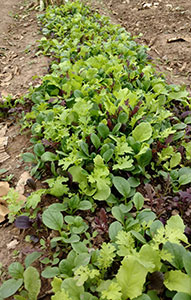
Now you may be wondering what the heck that long white cloth is that’s out in the field. That’s what is called “row cover”. It’s there to protect the young plants from cold nights and gusty winds, help conserve moisture, and act as a “No Vacancy” sign for pests. Go ahead - take a peek underneath, and you’ll see two gorgeous rows of leafy greens – the outer row (farthest from the Langar Hall) is chard, and those beautiful reddish leaves in the next row are a red-leafed beet. The inner row is bell peppers – orange and purple and other not-green colors.
What’s to become of all this bounty? We will of course be having our ashram Farmers Market on selected Sundays later in the summer, and we’ll also be selling at the Santa Fe Farmers Market, courtesy of Gurujiwan Singh. And of course, some of it is destined for langar.
Also, FOOD STORAGE potential is something we definitely took into consideration when deciding what to grow. One of our main goals is to provide foods that can be stored for community use – so that we as an ashram can begin to be prepared to meet the food scarcity challenges we will all be facing soon. Given the right location and conditions, beets store well through the winter, as will the winter squash and the dry corn. In addition, the beans (which can also be eaten fresh) will provide dry beans for cooking.
We will of course need a location in which to store these things – if you have or know of a basement or root cellar type structure, please let us know.
Come to our “Planting Aplenty Party” this Saturday, June 4th and Monday June 6th! On Saturday, we’ll be in the field by 8:00am and are usually done by 10:30 or 11:00, and on Monday, we’ll be there at 6:00pm and will work until 8:00pm or so. Not only would we really love your help, we need many hands for this.
We will be planting LOTS of corn – the beans and squash will get planted in a few weeks. If you think you can make a hole in the dirt or drop a corn kernel into a hole, please come. Stay for as long as you can, and bless field and the crops with your energy and your prayers.
This will be a fun community seva that will leave you smiling. When you’re done planting, take a stroll on Nanak’s Walking Path and imagine how Guru Nanak would have walked meditatively home after a satisfying day in the field. He’ll be walking with you….
Blessings and Bounty to all of you.
The Community Sustainability Group/Community Garden Folks
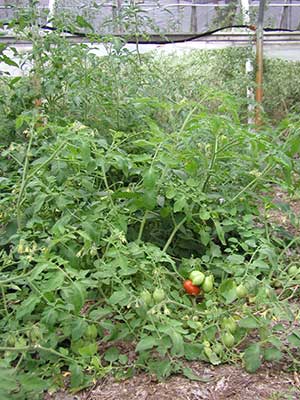
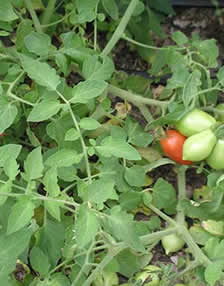
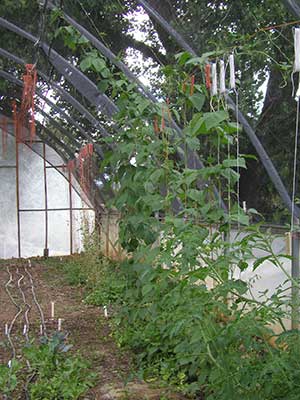
Pictures of our garden growing - August 2010
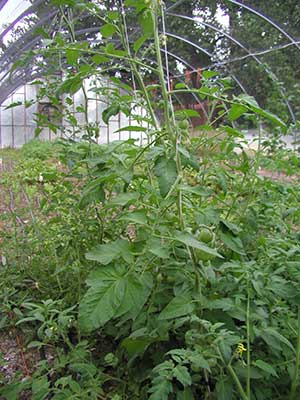
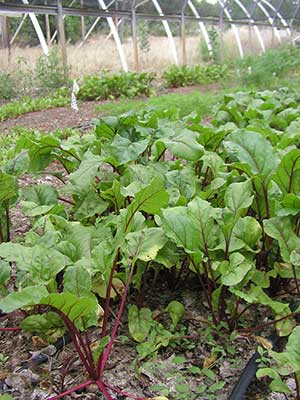
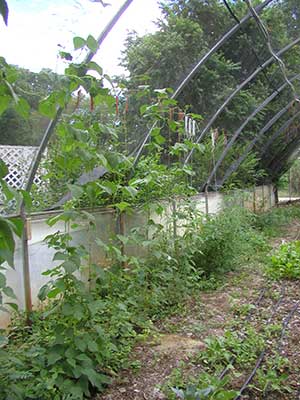
WHAT'S UP WITH THE COMMUNITY GARDEN for 2010?
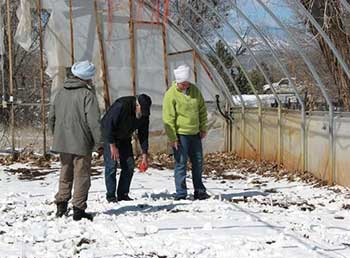 The Beet House
Wondering what's happening in the Community Garden? Well as all of you gardeners out there know, garden work begins long before you're poking seeds into the soil. So back in February, the Community Sustainability Group met by the cozy fires in members' homes, and we began to plan our second season of growing veggies in the open greenhouse that Kartar and Gurbani are graciously letting us use once again. We have lovingly dubbed this the "Beet House" due to the massive number of beets we grew there last year.
But to backtrack a little bit - last fall we decided to put the soil of the Beet House to rest in a way that would continue to nourish the soil throughout the winter. We decided to experiment with mulching with free and plentiful mulch materials - fallen leaves. The workers at the ranch obliged us and dumped several truck loads of leaves from the ranch down at the Beet House. We happily spread them out in a layer that was probably 8 inches deep, and innocently said "Good night" to our sweet garden for the winter. Had we been smart (like we are now!) we would have mowed (yep, with a lawn mower) those leaves to make them into a finer mulch that would absorb more moisture, helping them to decay faster. Well, come March, we realized we had a very thick heavy layer of leaves underneath, with a whole lot of completely dry leaves on top. The leaves underneath were too matted to plant anything into and we had to do something to break them up. So we mowed - using 2 home mowers, and 1 rented heavy duty one, and then went over the whole area with a rototiller. It was a lot of work since the leaves underneath were already thick and wet and matted - which is why shredding/mowing the leaves in the fall would have been easier. Leaf mulch, by the way, is a real worm banquet! We're all amazed at how many worms we're finding down there and how big they are!
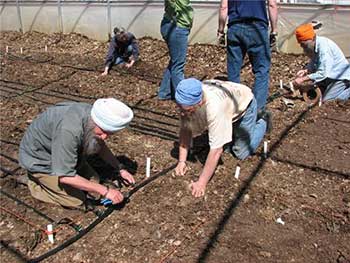 Once the leaves were sufficiently chewed up, we needed to lay out our beds and pathways. Last year we took a much more "free-style" approach to our garden layout. This year we really thought out the width of the beds (3' - an easy reach from either side of the bed) and defined pathways so that we could leave the beds foot-print free. On the designated day to lay it all out, Nature greeted us that morning with sunny skies - and a blanket of snow! Ah Spring! But we had a great time and felt quite hardy and proud of ourselves that a little snow didn't stop us! The next task (after the snow had melted and the garden was dry) was to rake the leaf mulch off of the individual beds so that the soil could warm up enough to plant. Many seeds like to have warm soil for germination, and the leaf mulch would have kept the soil too cool. The mulch will be put back onto the beds to help keep roots cool as the air heats up throughout the spring and into summer.
The next major work "meeting" (as opposed to our sit-down potluck dinner meetings) was to lay out the drip irrigation, which also is new for us this year. Last year we bombarded everything with Rainbird type overhead sprinklers - the "chuk chuk chuk" kind. Sat Want Singh came to our rescue and helped us set up drip lines with "T" tape. We feel much better about using less water this way, and have also learned that some crops do not like overhead watering, so we'll have happier plants too!
One of the fun things we did this year also, is our "Adopt-a-Crop" approach. First we determined as a group what crops we would grow. Then each person who wanted to, "adopted" a particular crop or two. The adopter is responsible for knowing pretty much whatever we would need to know for that crop: when to plant, whether to start as seedlings or direct sow it, what nutrients it needs, how much water, when to harvest etc. This way, each crop has a guardian angel of sorts who is watching over it, and learning all about it. But we all will help with anything that needs to be done, whether or not it is for our own adoptees.
So far, we have planted lettuce, peas, spinach and potatoes (exciting new crop this year!) - all things that can be planted while still cool. But now that our frost date will soon be behind us, we'll be planting much more in the next few weeks. We've been doing a lot of weeding to get each bed ready to plant, because those weeds sure love that drip irrigation just as much as the crops do!
The Field
And then there's the field...the one below the field that is just below the ditch. We planted winter rye there again last fall as a cover crop to help enrich the soil (our third cover crop). We didn't have much winter moisture here, so it didn't grow much at all until we had those few spring snows. In April we met at the field to create berms - which act as walls or dams - to prep the field for irrigation from the ditch. We've irrigated several times now and the rye is really taking off. We will be turning the rye under some time in June. After it has had about a month to decompose in the ground, we will do another soil test to see if the soil is ready to support growing some fall crops. We are getting our feet wet, so to speak, gardening in the Beet House. But the real eventual goal, is to be farming the field. And we also have our eye and projection on starting a similar program of soil nourishment and improvement in the larger fields as well.
If you are interested in participating in any way, whether meetings, working outside with us, donating (we do have numerous expenses), helping with our ashram Farmers' Markets, please know that your energy, time, thoughts, prayers and donations are most welcome. We work or meet most Saturday mornings and Monday evenings. We have a wonderful group and would love to include you. Contact me, Ravi Har Kaur, at 753-4847, if you're interested in any way.
Blessings and Bounty to all of you from the Community Garden Group!
To read more about our humble beginnings, go to our archives.